If you are weighing an older home against a newer-feeling one in Haddonfield, you are not alone. It is one of the most common questions buyers face here, especially in a market where charm, history, and long-term value all carry real weight. The good news is that once you understand how Haddonfield’s housing stock actually looks, the decision becomes much clearer. Let’s dive in.
Haddonfield homes are mostly older
In Haddonfield, the choice is usually not between a century-old home and a brand-new subdivision house. The borough’s housing stock is overwhelmingly older, with the median year built listed as 1939 and 51.0% of homes built in 1939 or earlier.
At the same time, true new construction is very limited. Only 0.8% of housing units were built in 2020 or later, and 3.9% were built from 2010 to 2019. That means many homes that feel “newer” are actually older homes that have been significantly renovated.
This matters because your search is often less about old versus new in the usual sense. In Haddonfield, it is more often about original older homes versus updated older homes.
What Haddonfield buyers are choosing between
Haddonfield is a high-value, owner-occupied market. Census data shows a median owner-occupied home value of $755,300, with 83.2% owner occupancy and 4,470 housing units.
The housing mix is also fairly consistent. About 79.6% of units are 1-unit detached homes, and 81.3% have three or more bedrooms. So for many buyers, the decision is not about property type. It is about condition, layout, character, and the level of updates already completed.
Why older homes appeal in Haddonfield
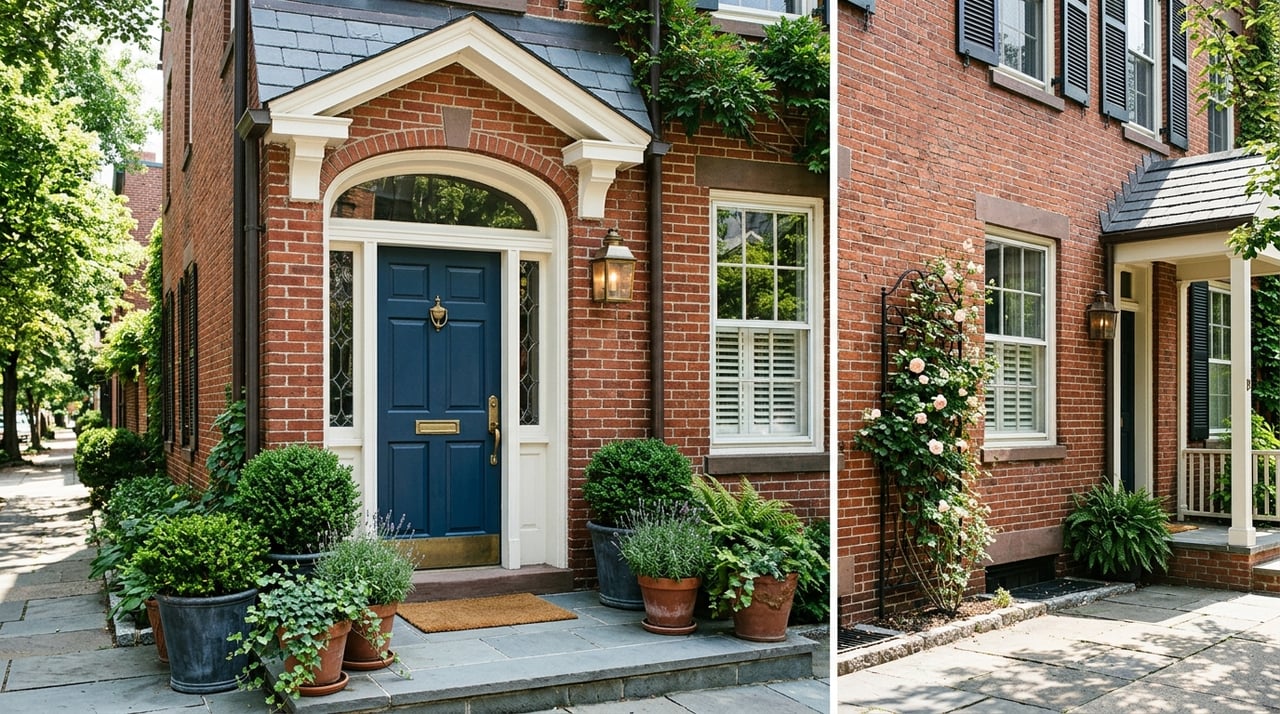
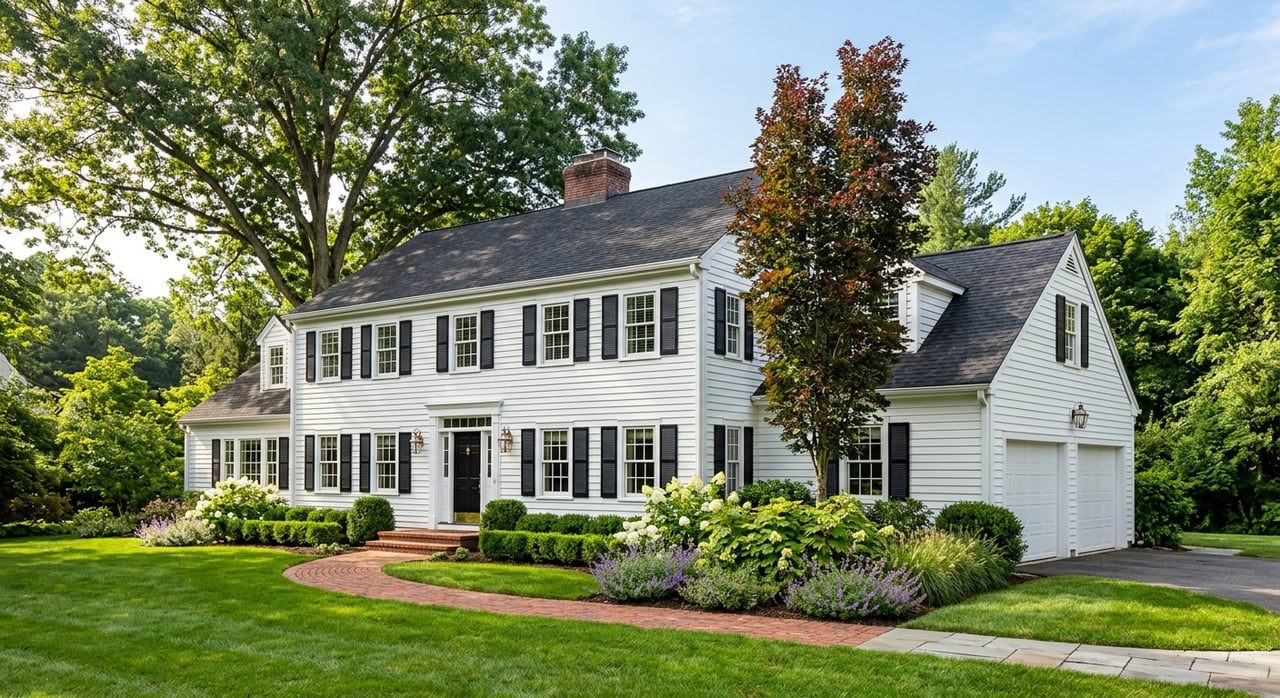
Older homes are a major part of what gives Haddonfield its identity. The borough’s architectural character includes a range of historic styles, from Victorian-era homes to Gothic Revival buildings and Colonial Revival influences.
That variety is part of the appeal. If you are drawn to original details, established streetscapes, and homes with a distinct sense of place, an older property may feel like the right fit from the start.
Older homes may also offer room scale and design details that many buyers find hard to replicate. Because so much of the housing stock predates 1940, some homes may have more traditional room-by-room layouts instead of fully open-concept living. That will not be true in every listing, but it is a reasonable pattern to expect as you tour homes.
Character often comes with rules
In Haddonfield, some older homes are located within the borough’s historic district. If a property is in the district, exterior work may require certificate of appropriateness review.
That review can apply to exterior changes such as additions, windows, fences, paving, site plans, subdivisions, and zoning variances. If preserving architectural character matters to you, that framework may feel like a benefit. If you are planning major exterior changes, it is something to understand early.
Renovation planning matters more in older homes
If you buy an older home, especially one built before 1978, renovation planning becomes especially important. Homes from that era are more likely to contain lead-based paint, and the EPA notes that 87% of homes built before 1940 contain some lead-based paint.
That does not mean an older home is a bad choice. It means projects like sanding, repainting, or window replacement should be approached carefully and, when painted surfaces will be disturbed, with lead-safe renovation practices in mind.
What newer or renovated homes offer
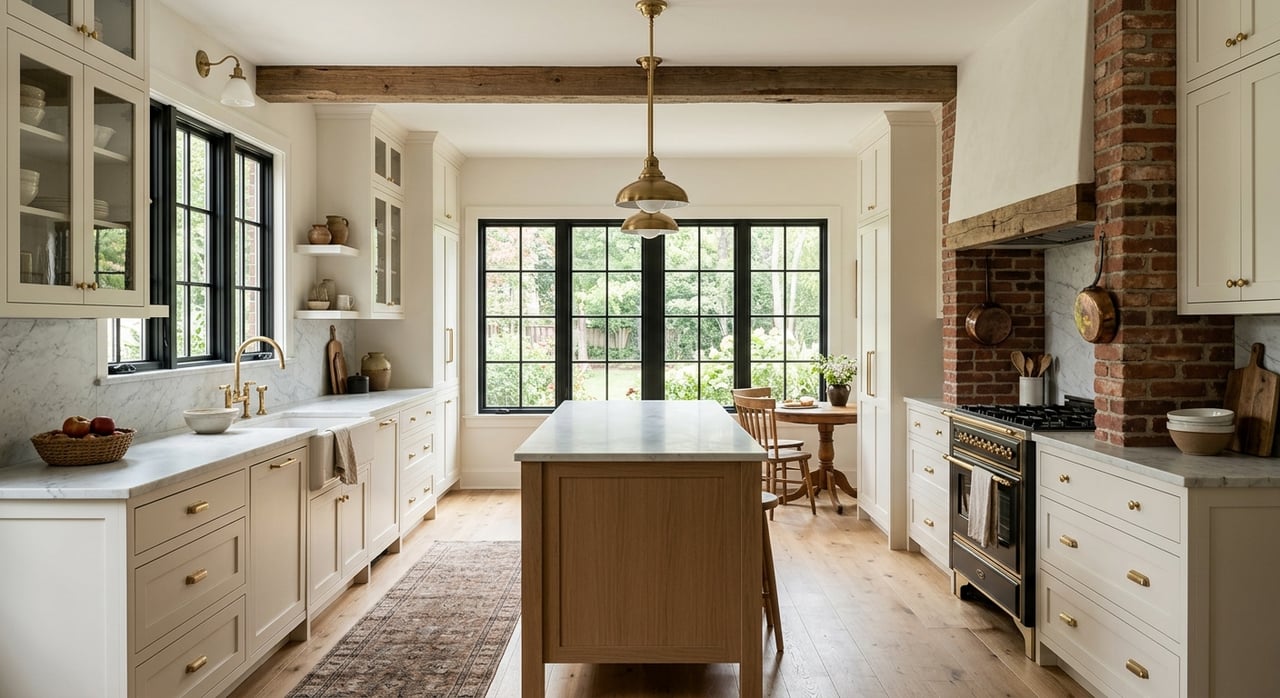
Because there are so few truly new homes in Haddonfield, many buyers who want a more turnkey experience focus on renovated homes. These properties may offer updated systems, more current finishes, and fewer immediate projects after closing.
For many buyers, that convenience has real value. If your schedule is already full, or you want a home that feels ready from day one, a renovated home may give you more peace of mind.
Efficiency can be a real advantage
One of the clearest benefits of a newer-feeling or fully renovated home is energy performance. The U.S. Department of Energy notes that many older homes have less insulation than homes built today.
The DOE also explains that air sealing can reduce heating and cooling costs while improving comfort. So if a Haddonfield home has already had insulation, air sealing, and related envelope improvements completed well, it may be more comfortable to live in and less expensive to operate.
That does not mean every renovated listing performs equally. It simply means efficiency upgrades are one of the most practical questions to ask when comparing homes.
How to compare older and newer homes
When you tour homes in Haddonfield, it helps to look past surface finishes. A beautiful kitchen matters, but so do the less visible parts of the house.
A practical way to compare options is to focus on four key questions:
- What is the exact year the home was built?
- Is the property inside Haddonfield’s historic district?
- Which major systems have already been updated?
- Were lead-safe and energy-efficiency issues addressed during renovation?
Those questions can help you move beyond first impressions and compare homes in a more grounded way.
Choose older if these priorities matter most
An older home may be the better fit if you value:
- Architectural character
- Original details
- Traditional room layout
- Historic context
- The opportunity to personalize over time
For many buyers, that tradeoff is worth it. You may take on more maintenance or future planning, but you gain a home with presence and personality that can feel deeply tied to Haddonfield’s character.
Choose renovated if these priorities matter most
A renovated or newer-feeling home may make more sense if you value:
- Lower-maintenance living
- Updated systems
- Better energy performance
- Fewer immediate projects
- A more turnkey move-in experience
This path often suits buyers who want simplicity and predictability. In a market like Haddonfield, that can be especially appealing when true new construction is scarce.
Smart projects buyers should watch for
If you are considering an older home, some upgrades tend to offer practical value right away. Weatherization is one of the most useful areas to evaluate.
The DOE recommends combining insulation improvements with proper air sealing for the best results. That means buyers should pay attention to whether the home has had work such as:
- Air sealing
- Weatherstripping
- Added insulation
- A whole-house energy assessment
These are not always the flashiest updates, but they can make a meaningful difference in comfort and monthly operating costs.
If the home is pre-1978, you should also ask how any renovation work involving painted surfaces was handled. For projects like repainting, repair, or window replacement, EPA guidance points to the importance of lead-safe contractors when those surfaces are disturbed.
If the home is in the historic district, exterior changes should be checked carefully before you make plans. That can save time and help you understand what improvements may require borough review.
The real decision comes down to lifestyle
In Haddonfield, choosing between older and newer is rarely just about age. It is about how you want to live in the home and how much ongoing work you want to take on.
If you light up when you walk into a home with original character and do not mind a more thoughtful approach to updates, an older home may be the right choice. If you want cleaner systems, stronger efficiency, and fewer unknowns, a renovated home may feel like the better long-term fit.
Neither option is automatically better. The best choice is the one that matches your priorities, your timeline, and your comfort with maintenance, renovation, and historic-preservation considerations.
If you want help sorting through older homes, renovated properties, and what truly makes sense for your next move in Haddonfield, Mazzulo Real Estate offers the kind of clear, hands-on guidance that helps you make decisions with confidence.
FAQs
What kinds of homes are most common in Haddonfield?
- Haddonfield is mostly made up of detached homes, with 79.6% of units classified as 1-unit detached and more than half of homes built in 1939 or earlier.
Are there many brand-new homes in Haddonfield?
- No. The borough’s housing data shows only 0.8% of units were built in 2020 or later, so most newer-feeling homes are older homes that have been renovated.
What should you ask when comparing older and renovated homes in Haddonfield?
- Ask for the exact year built, whether the property is in the historic district, what major systems have been updated, and whether lead-safe and energy-efficiency issues were addressed.
Why do buyers choose older homes in Haddonfield?
- Many buyers are drawn to architectural character, original details, traditional layouts, and the historic context that shapes much of Haddonfield’s housing stock.
What are the practical benefits of a renovated home in Haddonfield?
- A renovated home may offer updated systems, improved energy performance, fewer immediate repairs, and a more turnkey experience after closing.
How does Haddonfield’s historic district affect home updates?
- If a property is in the historic district, certain exterior changes such as additions, windows, fences, and paving may require certificate of appropriateness review by the borough.
What renovation concern should buyers keep in mind with older Haddonfield homes?
- For homes built before 1978, buyers should consider lead-safe renovation planning because disturbing painted surfaces during projects can create hazardous lead dust.