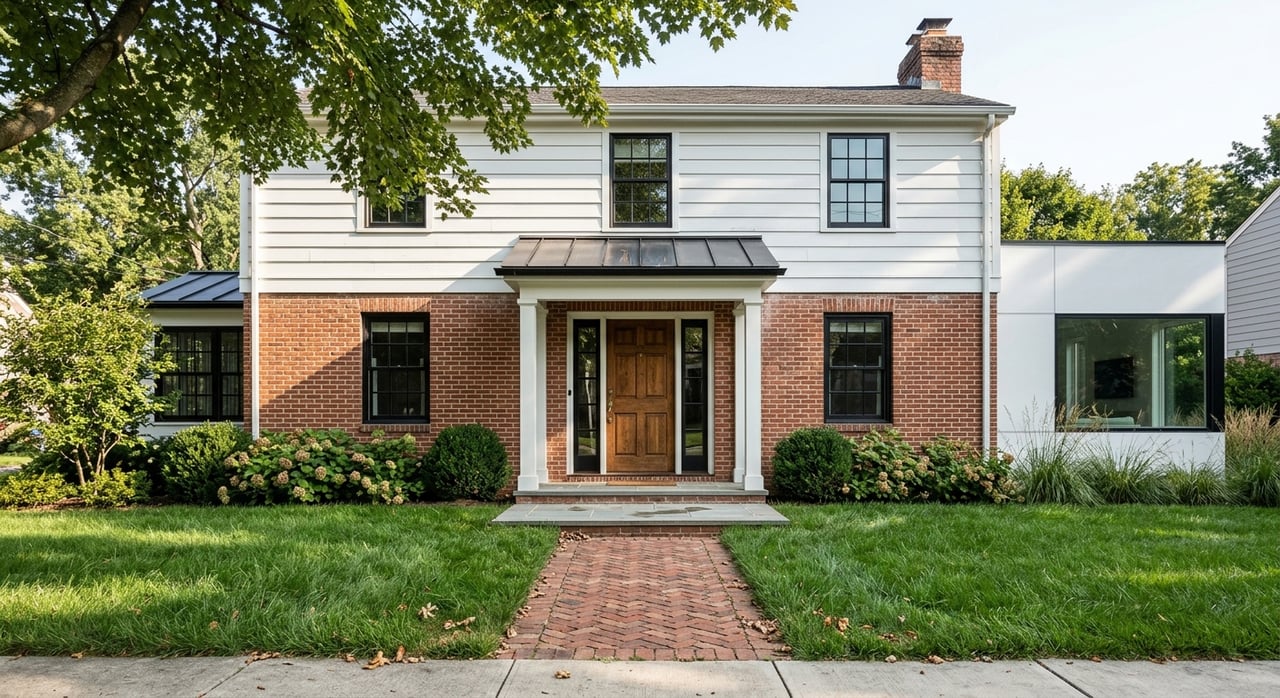
Buying in Haddonfield often comes down to a very specific question: do you want the character of an older home, or the ease of something newer? If you are weighing both, you are not alone. In a town with a deep architectural history and an established Historic District, that choice can shape everything from your renovation plans to your long-term upkeep. This guide will help you compare historic charm and newer construction in Haddonfield so you can move forward with more clarity and confidence. Let’s dive in.
Haddonfield has a distinct housing story
Haddonfield’s housing inventory is shaped in part by its formal Historic District. According to the Historical Society of Haddonfield, the borough’s Historic Preservation Commission was created in 1971, and the Haddonfield National Register Historic District was entered on the National Register on July 21, 1982.
That history matters because Haddonfield’s older homes are not all one style. The district includes architectural types ranging from Colonial and Federal to Victorian, Victorian Gothic, Georgian Revival, and 20th century homes. If you are drawn to older properties here, you are choosing from a broad mix of eras and design details rather than one uniform historic look.
What historic homes often offer
For many buyers, historic homes stand out because of their original details, materials, and sense of place. In Haddonfield, the preservation framework reflects that appeal by emphasizing repair of existing features when possible and encouraging replacement materials that match the original in character, color, texture, and visual quality, as outlined in the borough code standards.
You may also notice that older homes often sit within streetscapes shaped by earlier lot patterns, facade orientation, and setbacks. That can create a cohesive look and feel from one property to the next. For buyers who value architectural continuity and a more established setting, that can be a major part of the draw.
Historic homes can also offer details that are difficult to replicate in newer construction. Depending on the property, that might include original trim, older masonry, traditional rooflines, or period-specific design elements that give the home a distinct identity.
What newer builds often offer
Newer homes usually appeal to buyers who want a more predictable ownership experience. In practical terms, that often means newer systems, fewer immediate repair needs, and more modern construction methods.
Energy performance is often part of that appeal. ENERGY STAR notes that certified new homes are built to deliver better energy efficiency and performance than other homes, while EPA’s Indoor AirPlus program supports construction practices and product choices that can improve indoor air quality.
That does not mean every newer home is the same, but it does help explain why many buyers associate newer construction with easier upkeep and more consistent day-to-day comfort. If your priority is lower-friction ownership, a newer home may feel more aligned with your goals.
Historic District rules can affect your plans
In Haddonfield, one of the biggest differences between an older home and a newer one is not just age. It is whether the property sits within the Historic District or is a designated historic landmark.
Under the borough code, exterior work on properties in the Historic District or on designated landmarks generally requires a certificate of appropriateness before work begins. The review focuses on exterior features and site conditions, which means projects like changing a roofline, updating exterior materials, adding onto the home, or planning certain site changes may involve a more deliberate approval process.
This is important if you are buying with renovation ideas already in mind. A project that may seem straightforward in another setting can involve additional review in Haddonfield’s historic context. If flexibility is high on your list, it is wise to confirm what approvals may be needed before you commit.
Even newer homes may follow historic context
A newer home in Haddonfield does not always mean total design freedom. The borough code states that additions and new construction within the Historic District must remain compatible with nearby buildings in terms of size, scale, color, material, setbacks, facade orientation, spacing, and overall character, as described in the local preservation regulations.
In other words, a newer infill home can still be shaped by the surrounding historic streetscape. That is part of what makes Haddonfield unique. On the same street, a historic home and a newer home may feel quite different to own, but both may still reflect the same broader neighborhood pattern.
Maintenance and due diligence for older homes
Older homes can be incredibly rewarding, but they usually call for more detailed due diligence. One key factor is lead-based paint. The EPA says older homes are more likely to contain it, estimating that 87 percent of homes built before 1940 and 24 percent of homes built from 1960 to 1978 have some lead-based paint.
For homes built before 1978, federal rules require sellers, landlords, real estate agents, and property managers to provide lead-hazard information before a contract or lease is signed. If you are considering an older Haddonfield home, this should be part of your normal review process alongside inspections and repair planning.
Energy use is another area to think through. The Department of Energy notes that older homes may have inadequate insulation, and a home energy assessment can help identify where energy is being lost. Common upgrade paths include air sealing, added insulation, improved ventilation, and replacing older heating and cooling equipment.
Character versus convenience
When buyers compare historic charm with newer construction, the real decision often comes down to lifestyle. Neither option is universally better. The better fit depends on how you plan to live in the home and what trade-offs you are comfortable making.
Historic homes often appeal to buyers who value original features, architectural detail, and neighborhood continuity. In return, you may need to be more thoughtful about maintenance, future exterior changes, and long-term planning.
Newer homes often appeal to buyers who prioritize efficiency, ventilation, and easier upkeep. In return, you may get less of the layered architectural texture that draws people to Haddonfield’s older housing stock in the first place.
A simple side-by-side comparison
| Feature | Historic Homes | Newer Builds |
|---|---|---|
| Architectural feel | Period details and established character | More modern systems and construction |
| Exterior changes | May require preservation review in certain cases | May still face compatibility standards in the Historic District |
| Maintenance planning | Often requires more attention over time | Often more predictable early on |
| Energy performance | May benefit from upgrades and assessment | Often stronger baseline efficiency |
| Buyer appeal | Sense of place and architectural continuity | Convenience and lower-friction ownership |
Questions to ask before you buy
If you are deciding between an older property and a newer one in Haddonfield, these questions can help guide the conversation:
- Is the home located within the Historic District or designated as a historic landmark?
- Will your planned exterior updates require a certificate of appropriateness?
- Was the home built before 1978, and if so, what lead-related disclosures apply?
- Are you comfortable budgeting for energy improvements or older-home maintenance?
- Do you value original character more, or do you prefer modern systems and easier upkeep?
These questions can narrow the field quickly. They also help turn a broad style preference into a practical buying decision.
How to choose the right fit
If you picture yourself enjoying original materials, period design, and a home that feels tied to Haddonfield’s long history, a historic property may be the right move. You just want to go in with clear expectations about approvals, maintenance, and renovation planning.
If you want a home that may offer better baseline efficiency, newer systems, and a simpler ownership rhythm, a newer build may make more sense. In Haddonfield, though, it is still worth looking closely at location and local regulations, especially if the property is in the Historic District.
The right choice is the one that supports your daily life, your budget, and your long-term plans. At Mazzulo Real Estate, we believe that clarity makes better decisions possible, and we are here to help you compare your options with a thoughtful, local perspective. If you are considering a move in Haddonfield, schedule a free consultation and let’s talk through what fits you best.
FAQs
What should buyers know about Haddonfield historic homes?
- Buyers should know that historic homes in Haddonfield often offer original character and architectural detail, but exterior changes may require review if the property is in the Historic District or designated as a landmark.
What are the benefits of newer builds in Haddonfield?
- Newer builds often appeal to buyers who want newer systems, better baseline energy performance, improved ventilation, and a more predictable maintenance experience.
Do Haddonfield Historic District rules affect home renovations?
- Yes. Under borough code, many exterior changes to homes in the Historic District or on designated landmarks generally require a certificate of appropriateness before work begins.
Are older Haddonfield homes more likely to have lead-based paint?
- Yes. According to the EPA, older homes are more likely to contain lead-based paint, and homes built before 1978 are subject to federal lead-hazard disclosure rules.
Can a newer home in Haddonfield still be affected by preservation standards?
- Yes. New construction and additions within the Historic District must remain visually compatible with nearby buildings in areas like scale, materials, setbacks, and overall character.
How do you choose between a historic home and a newer build in Haddonfield?
- The choice usually comes down to your priorities: historic homes often offer more character and continuity, while newer homes often offer more convenience, efficiency, and easier upkeep.