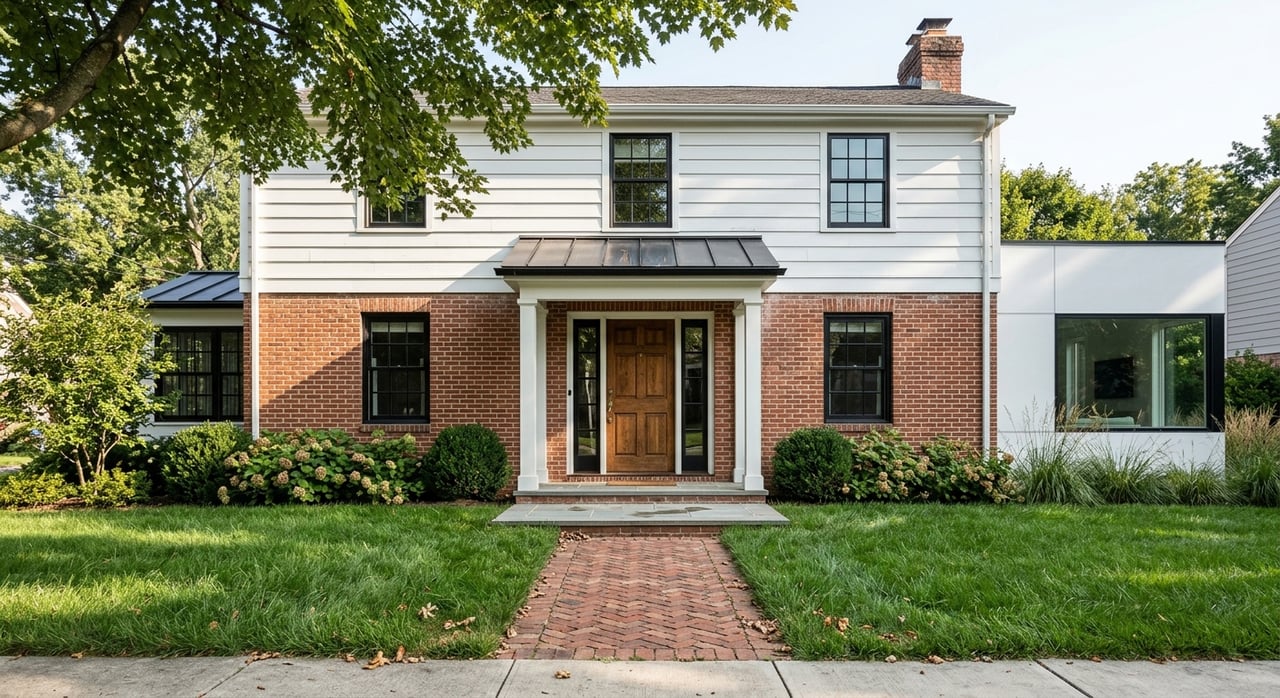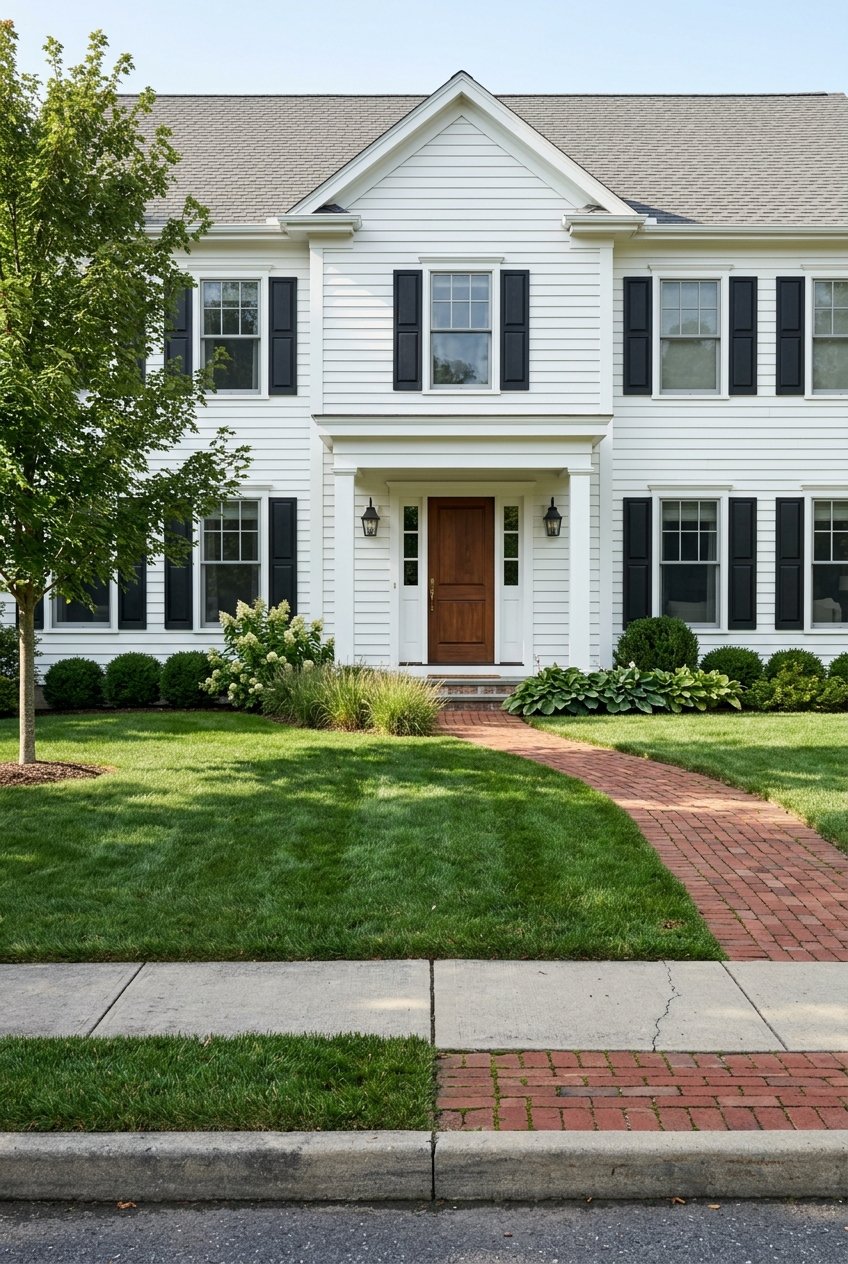
If you are selling a character home in Haddonfield, charm alone is not the whole story. Buyers may fall for original windows, a welcoming porch, or historic detail, but they also want clear paperwork, thoughtful upkeep, and confidence that the home has been cared for the right way. When you understand how preservation, pricing, and presentation work together here, you can position your home more effectively and avoid last-minute surprises. Let’s dive in.
Why Haddonfield character homes stand apart
Haddonfield has a long preservation history, and that matters when you sell. The borough’s historic core includes hundreds of buildings and sites, with many recognized for their historical or architectural significance, according to Haddonfield history resources. That gives character homes here a setting and story that many buyers actively seek out.
In practical terms, buyers are not just evaluating your house. They are also responding to the wider streetscape, the architectural consistency, and the sense of stewardship built into the borough’s historic framework. That means your home’s value often comes from both its interior updates and its relationship to the surrounding setting.
What the current market means for sellers
As of February 2026, Realtor.com reports that Haddonfield is a balanced market, with a median listing price of $1,147,500, median days on market of 30, and a sale-to-list ratio of 100%. For you as a seller, that points to an active buyer pool, but not one that will overlook missing details.
In this kind of market, presentation still matters, but so does proof. Buyers are often willing to pay for quality and character, yet they also want to understand what is original, what has been updated, and whether exterior work followed local rules when required.
Check historic district status first
Before you make pre-listing improvements, confirm whether your property is within the Historic District or is a designated historic landmark. Under the borough ordinance, exterior changes to properties in the district or to designated landmarks generally require a certificate of appropriateness for work such as additions, lighting, fences, paving, driveways, walkways, and other exterior alterations that affect the resource, as outlined in the borough code.
That does not mean every project needs formal review. The same ordinance provides exemptions for maintenance-style work, including in-kind repair of existing windows and doors, compatible storm windows, roof repair, siding repair using the same materials, exterior painting, repairs to fences and site features, and new plantings. Knowing the difference can help you avoid spending time and money on the wrong prep items.
Focus on repairs, not overcorrections
With older homes, it is easy to assume you need a sweeping makeover before listing. In Haddonfield, that approach can backfire if it strips away the features buyers value most.
The borough’s review standards emphasize retaining original materials where feasible, repairing rather than replacing, and closely matching replacement materials when needed, according to the historic preservation ordinance. For many sellers, the smarter move is to address deferred maintenance, improve condition, and preserve authentic details rather than chasing a generic renovation look.
Gather paperwork before you list
One of the strongest moves you can make is building a clean property file before your home hits the market. This helps buyers understand the home quickly and can reduce uncertainty during due diligence.
Useful documents may include:
- Certificate of appropriateness approvals for past exterior work
- Building permits and final inspections
- Surveys and site plans
- Contractor records for roofs, windows, masonry, additions, and accessory structures
- Maintenance logs and invoices
- Architect or preservation consultant notes, if available
- Records showing whether updates were repaired in kind or replaced with compatible materials
This type of documentation matters because Haddonfield’s preservation framework places value on compatibility, repair, and evidence for replacement decisions, as reflected in the borough code and guidelines.
Use local history as a selling asset
A character home often has a story worth documenting. The Haddonfield Public Library local history collection maintains property files for almost all borough addresses, and those files may include past owners, appraisals, and photographs.
Old photos and historical references are not just nice extras. In some cases, they can support your understanding of setbacks, accessory structures, or earlier versions of the property. They can also help shape more meaningful marketing that feels specific and grounded, rather than vague.
Know the required seller disclosures
If your home is in the historic district or is a designated landmark, Haddonfield requires sellers to provide prospective purchasers with the borough’s preprinted information on exterior alterations and construction standards, and the seller must obtain signatures showing that the information was received. According to the borough ordinance, this disclosure requirement does not apply to buildings constructed after 1978.
If your home was built before 1978, federal lead-based paint disclosure rules also apply. The EPA states that sellers must provide the lead disclosure form, share known lead hazard information, provide available records and reports, and give buyers a 10-day opportunity for a lead inspection unless that right is waived.
These are not details to leave until contract time. Preparing them early makes your sale feel more organized and helps buyers move forward with fewer questions.
Present character with accuracy
When it comes to photos, remarks, and showings, the goal is not to market your home as simply old or charming. Haddonfield’s preservation materials define character through form, proportion, structure, plan, style, materials, craftsmanship, decorative details, and site context, according to the borough design guidelines.
That means your listing should identify real features and period-specific details where possible. Original millwork, masonry, porch elements, rooflines, window patterns, and historically compatible improvements tell a stronger story than broad language that could apply to any older house.
Highlight updates the right way
Many buyers want a home that feels usable now, not preserved in place. Fortunately, Haddonfield’s guidelines support new work that is compatible without being an exact replica of the original style, as noted in the borough ordinance.
That gives sellers a useful framework for marketing thoughtful improvements. If you have updated kitchens, baths, systems, or exterior elements in a way that respects the home’s architecture, describe those changes as intentional and compatible. The message is not that the house was made new. It is that it was improved with care.
Do not overlook the exterior setting
In Haddonfield, curb appeal carries extra weight because the district is meant to preserve the broader streetscape, including trees, brick sidewalks, gardens, fences, gates, storefronts, signs, lighting, awnings, and paving, according to the design guidelines.
So when you prepare for listing photos and showings, treat the outside as part of the product. Tidy plantings, repaired gates, clean walkways, and well-maintained porches can reinforce the home’s architectural credibility before a buyer even steps inside.
Exterior details buyers notice
Small exterior issues can create outsized concern in a character home. Buyers often pay attention to signs of casual replacement or unfinished repairs, especially around visible historic features.
Pay close attention to:
- Window condition and whether repairs appear in keeping with the home
- Roof shape and materials
- Masonry and mortar condition
- Porch details and railings
- Fences, walkways, and driveways
- Site features that contribute to the overall setting
The borough guidelines also note that destructive treatment methods such as sandblasting are not appropriate, reinforcing the idea that preservation-minded care matters in both substance and appearance, per the borough ordinance.
Create a smarter pre-listing plan
Selling a character home in Haddonfield usually works best when you take a deliberate, selective approach. Instead of asking, “How do I modernize everything?” ask, “What will help buyers understand, trust, and appreciate this home?”
A strong pre-listing plan often includes three steps:
- Confirm status and rules so you know whether the home is in the Historic District or a designated landmark and whether any recent or planned exterior work triggers review.
- Organize the paper trail so buyers can easily see permits, approvals, maintenance records, and required disclosures.
- Position the home clearly with marketing that reflects the property’s true architectural features, thoughtful updates, and place within Haddonfield’s historic setting.
That kind of preparation supports the clarity buyers want in a balanced market. It also helps your home feel well cared for, properly represented, and easier to say yes to.
Work with a strategy built for character homes
Character homes need more than standard listing prep. They benefit from thoughtful positioning, careful visual storytelling, and a process that respects both the home’s history and today’s buyer expectations.
At Mazzulo Real Estate, we believe selling a special home should feel clear, intentional, and well guided from the first conversation through closing. If you are preparing to sell in Haddonfield and want a tailored strategy for pricing, presentation, and pre-listing decisions, we invite you to schedule a free consultation.
FAQs
What makes a home a character home in Haddonfield?
- In Haddonfield, character is often tied to a home’s form, style, materials, craftsmanship, decorative details, and site context, based on the borough’s preservation guidelines.
What should sellers of historic district homes in Haddonfield disclose?
- Sellers of properties in the Historic District or designated landmarks generally must provide prospective buyers with the borough’s preprinted information on exterior alterations and construction standards and obtain signatures confirming receipt, unless the building was constructed after 1978.
What repairs should sellers prioritize before listing a character home in Haddonfield?
- Sellers should usually focus on condition-driven, in-kind repairs and maintenance that preserve original features where feasible, rather than making overly generic or historically mismatched upgrades.
What documents help when selling an older home in Haddonfield?
- Helpful documents include certificate of appropriateness approvals, permits, final inspections, surveys, contractor records, maintenance logs, and any historical photos or property file materials that clarify the home’s history and updates.
What lead paint rules apply when selling a pre-1978 home in Haddonfield?
- For pre-1978 homes, sellers must follow federal lead-based paint disclosure rules, including sharing known information, providing available records, giving buyers the EPA pamphlet, and allowing a 10-day inspection opportunity unless waived.
What does the Haddonfield market mean for character-home sellers right now?
- A balanced market suggests buyers are active, but they are also looking for clear pricing, solid condition, and complete documentation, not just visual appeal.